

Article by Gwen Jones, Department of Family Services
(Posted 2026 January)
Many people are uncomfortable talking or even thinking about their death. This includes deciding what to do with your body after you’ve died. Because of this, families are often left to decide what to do with their loved one’s body, with little guidance from the deceased. There are many options to consider, and the decisions you make are influenced by factors such as your religious faith, cultural customs, personal values, and expense. Whatever you decide, remember that it is a final gift to your loved ones to make your wishes known in advance. To help you decide, here are a few options to consider.
Traditional Options
Traditional Funeral
A traditional (or full-service) funeral usually includes a viewing or visitation and formal funeral service, use of a hearse to transport the body to the funeral site and cemetery, and burial, entombment, or cremation of the remains. This is often the most expensive type of funeral. In addition to the funeral home's basic services, costs often include embalming and dressing the body; rental of the funeral home for the viewing or service; and use of vehicles to transport the family if they don't use their own. Other costs include a casket, cemetery plot or crypt, and other funeral goods and services.
Direct Burial
With direct burial, the body is buried shortly after death, usually in a simple container, with no embalming. There is no viewing or visitation, but a service may be held at the graveside or later. Costs include the funeral home's basic services fee, transportation and care of the body, purchase of a casket or burial container, and a cemetery plot or crypt. The funeral home will often charge a fee for a graveside service if the family chooses to be at the cemetery for the burial.
Direct Cremation
If you choose direct cremation, there is no viewing or visitation, and the body is cremated shortly after death without embalming. The cremated remains are placed in an urn or other container and are kept at home, buried, placed in a crypt or niche in a cemetery, or scattered in a favorite location. Before scattering cremated remains, check into federal, state and local rules and regulations. For some locations, you may need to get permission or a permit in advance.
Costs include the funeral home's basic services fee, as well as transportation and care of the body. A crematory fee may be included or added if the funeral home does not own the crematory. Funeral providers who offer direct cremations must offer a simple, more affordable container that can be used in place of a casket. Cremation has grown in popularity over the years. The National Funeral Directors Association projects that U.S. cremation rates will reach 82.1% by 2045, while burial rates are expected to fall to 13.3%.
Additional Information
To learn more about traditional options, including prices and your rights as a consumer, visit these resources:
- Federal Trade Commission - consumer.ftc.gov/shopping-and-donating/funerals
- Funeral Consumers Alliance - funerals.org
- Funeralocity Consumer Advocate - compare the prices of all funerals and cremation providers - funeralocity.com
Non-Traditional and Other Options
Green Burial
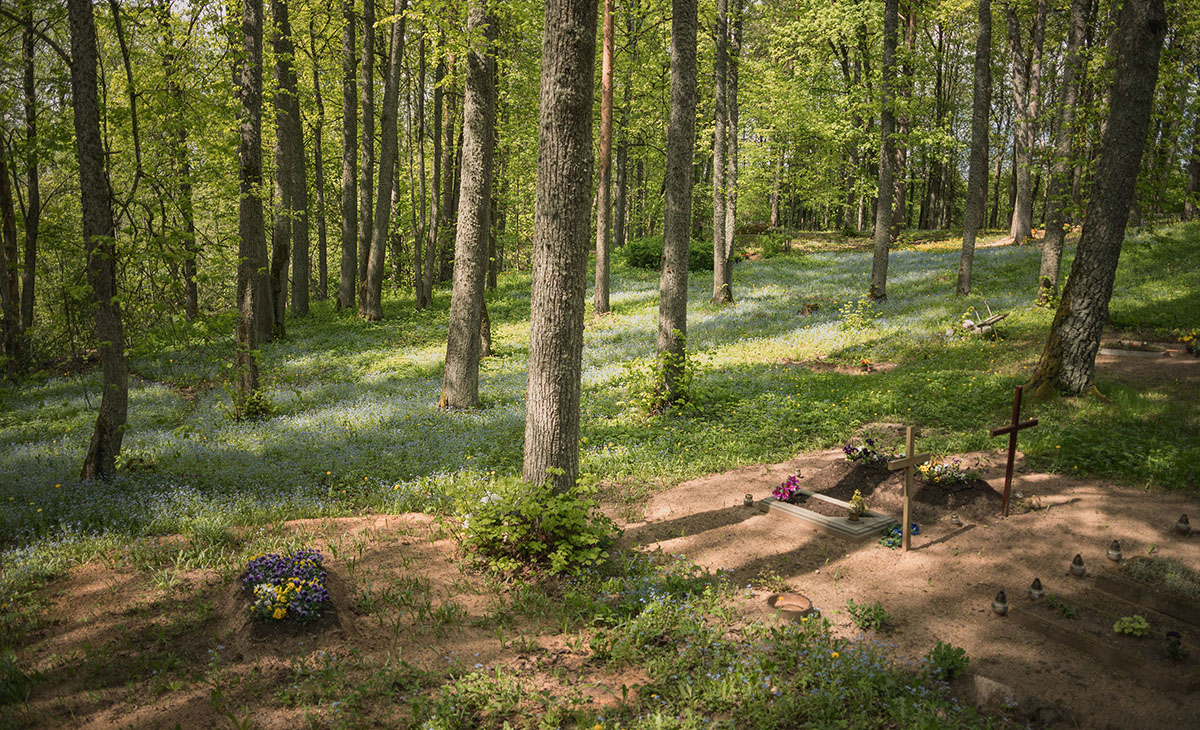
Green (or natural) burial emphasizes simplicity and environmental sustainability. The body is not cremated or embalmed. It is placed in a biodegradable coffin or shroud and interred without a concrete burial vault. The grave site is allowed to return to nature. The goal of green burial is complete decomposition of the body and its natural return to the soil. Green burials have become more popular recently because of their simplicity, lower cost, and minimal environmental impact.
One challenge is finding a burial location. Green cemeteries may be located within a specially designated section of a conventional cemetery. Others are located on large tracts of land, often near an existing park or conservation area.
Explore these resources to learn more about green burial options:
- Green Burial Council - greenburialcouncil.org
- Green Burial cemeteries by state - nhfuneral.org/green-burial-cemeteries-in-the-us-and-canada
Other Environmentally Friendly Options
People are increasingly seeking “greener” options for disposing of their remains. Many of these methods are currently only available on the West Coast, where they originated, but are gaining acceptance nationwide. They include:
- Alkaline Hydrolysis, also called Aquamation or Water Cremation, is a form of flameless cremation where a body is liquified after death. The process involves putting the body into a special container with water and an alkaline solution. The container is then heated for several hours, leaving behind a sterile liquid and bone fragments. The bone fragments are processed into a fine powder, similar to cremated ashes. Alkaline hydrolysis is an environmentally friendly option because it requires less energy and emits fewer greenhouse gases than traditional cremation. It also requires no casket or container. Currently, it is legal but not available in Virginia.
- Human Composting, also called Natural Organic Reduction, Terramation, and Recomposition, is where a body is transformed into nutrient-rich soil through natural decomposition. This is done by placing a body in a vessel where optimal conditions and beneficial bacteria break down the body over 30-45 days. The process is carbon neutral, and the resulting soil can be returned to the family or donated to a conservation organization. Human composting is currently not legal in Virginia.
Whole Body Donation for Education and Research
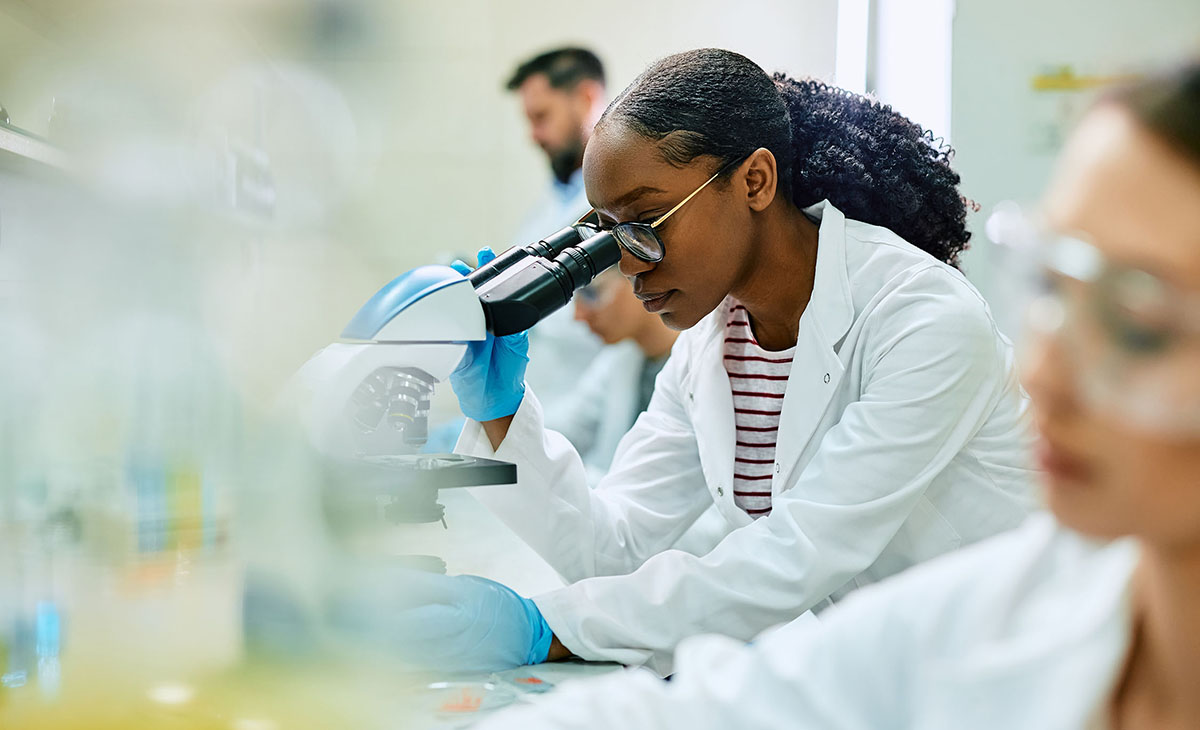
Donated bodies are needed for medical training and research, and their use has led to medical breakthroughs with far-reaching benefits. Donated bodies are also used for forensic science research, helping investigators better identify remains, estimate time of death, and recover and analyze DNA. Currently, the demand for whole body donors is greater than the number of people willing to donate.
Locally, George Mason University’s Forensic Science Research and Training Laboratory (FSRTL) is seeking whole body donations for their research facility at Mason’s Science and Technology Campus in Manassas. FSRTL’s work focuses on locating and identifying human remains and estimating time since death. Learn more about the program at go.gmu.edu/fsrtl_info.
Body donations to FSRTL must go through the Virginia State Anatomical Program (VSAP), the only program in Virginia authorized to receive donations of human bodies for scientific study. The primary mission of VSAP is to educate health professionals by providing human donors for educational purposes to the state’s medical schools, colleges, universities and research facilities. If a family requests that the donor be placed with a specific program, VSAP will try to honor their request but cannot guarantee it due to the timing of the donor’s death and the needs of that specific program.
There are certain criteria that must be met to donate a body, many related to condition. The bodies of people with certain infectious diseases, bodies that have been autopsied, and the bodies of organ and tissue donors cannot be donated. You can find the full criteria for body donation and learn about the process at vdh.virginia.gov/va-state-anatomical-program.
One More Thing to Consider
While making decisions about what is done with your body after you die, consider whether you want to be an organ and tissue donor. There is no age limit for organ donation; suitability is determined by a doctor when you die. According to the Health Resources and Services Administration, two out of every five people who donated organs in 2023 were over age 50. Visit donatelifevirginia.org/sign-me-up to register as an organ donor, and make sure your family knows so your wishes are honored.
This article is part of the Golden Gazette monthly newsletter which covers a variety of topics and community news concerning older adults and caregivers in Fairfax County. Are you new to the Golden Gazette? Don’t miss out on future newsletters! Subscribe to get the electronic or free printed version mailed to you. Have a suggestion for a topic? Share it in an email or call 703-324-GOLD (4653).